
Category
Product Categories
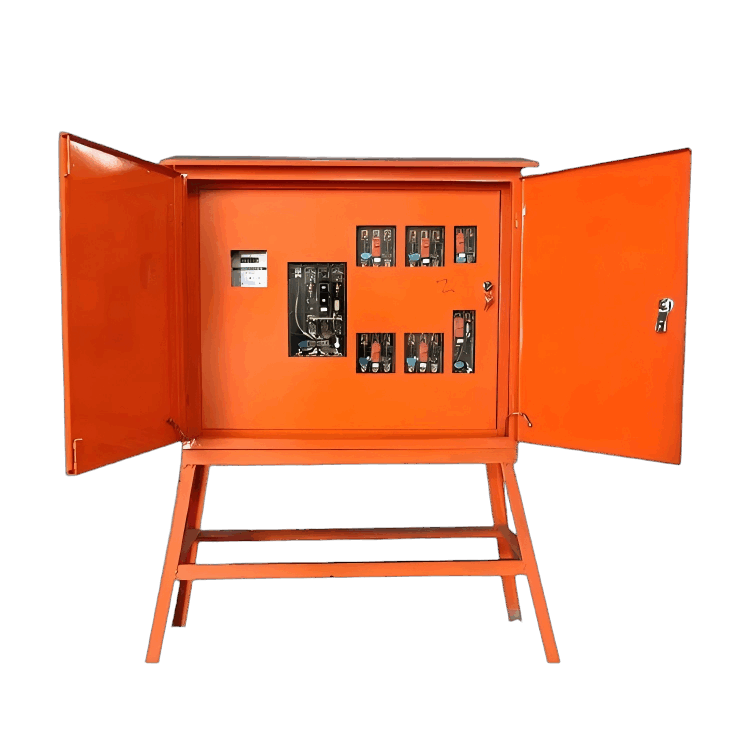
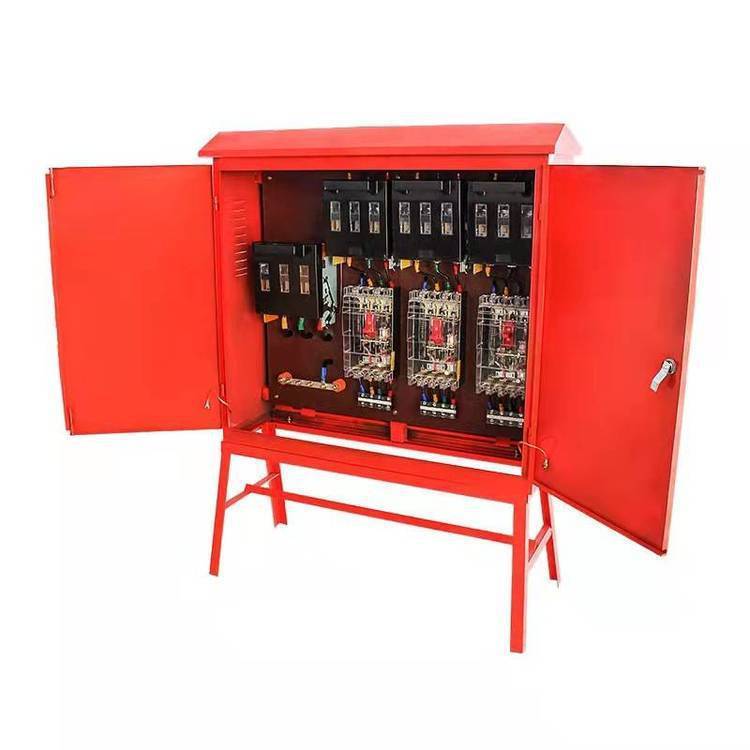
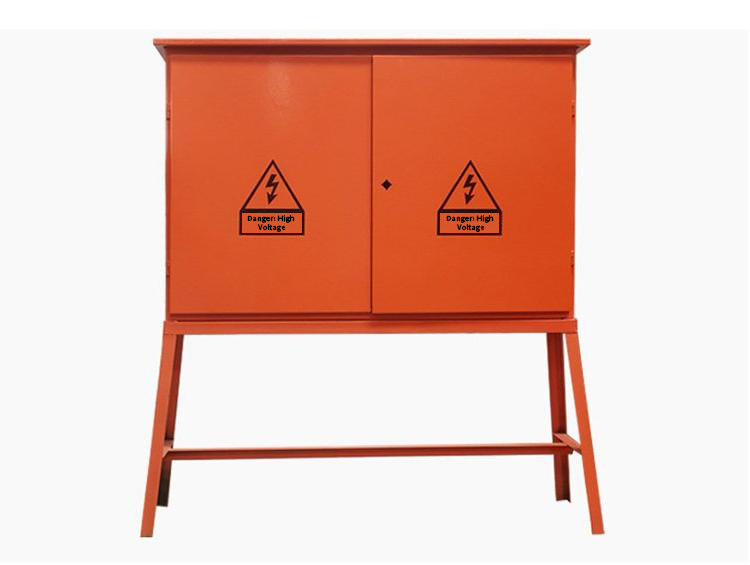
Temporary Electricity Secondary Distribution Box
Product Details
Introduction to the Functions of a Secondary Distribution Box for Temporary Power Usage
- The secondary distribution box is a distribution box within the power distribution system. Secondary boxes used for temporary power supply must feature a rain‑proof design, and leakage protection is of paramount importance. It further distributes the electricity routed from the primary distribution box to lower‑level electrical equipment and circuits. As a critical link in the power supply network, the secondary distribution box serves as a bridge between upper and lower levels: it receives electrical energy from the primary main distribution box and is responsible for redistributing power to multiple tertiary boxes (terminal switchgear) or medium‑sized electrical devices within its designated area.
- Expanding the Power Supply Range: Serving as an intermediate hub for power distribution, it extends a single main power feed into multiple branch circuits, enabling efficient delivery of electrical energy to every floor of a building, to different work sections within workshops, or to various zones on construction sites. Together with primary and tertiary distribution boxes, it forms a selective protection system. When a fault occurs at the end of the line, the switch closest to the fault point—typically located on a branch circuit in either the tertiary or secondary distribution box—trips first, minimizing the scope of the fault’s impact and preventing large-scale power outages.
- Power On/Off and Isolation: Equipped with a main isolating switch or main circuit breaker, it is used to connect, carry, and disconnect normal current, while also providing a clear electrical disconnection point during line maintenance to ensure safety.
- Overload Protection: Both the main circuit breaker and all branch circuit breakers are equipped with overload protection. When the current continuously exceeds the set value, the circuit breaker will trip after a delay to cut off the power supply, preventing damage to the wiring due to overheating or the risk of fire. Short-Circuit Protection: All circuit breakers feature instantaneous short‑circuit protection; when a short‑circuit fault occurs in the circuit, they can quickly trip to interrupt the massive short‑circuit current, thereby protecting the distribution system and connected equipment.
- Leakage current protection (essential in many scenarios): Leakage current protectors are often installed on main or branch circuits. When a leakage current is detected—potentially leading to electric shock—they can immediately cut off the power supply, ensuring personal safety.
- Measurement and Monitoring (Optional): Voltage meters, current meters, energy meters, and other instruments can be installed to monitor the voltage stability, current magnitude, and power consumption in the area in real time. Status Indication: Typically equipped with indicator lights—such as power indicators and running indicators—to provide intuitive status displays.
The power-on and operating status of the enclosure.
Advantages
- Enhance Power Supply Reliability: Through tiered protection, “fault localization” is achieved. A fault in one branch circuit will not affect the entire system—only the local area—and troubleshooting is swift, with power restored quickly. Easy to Manage and Maintain: The structure is clear, and responsibilities are well defined. Each secondary distribution box manages a specific area, allowing for rapid fault location when electrical issues arise, greatly simplifying operations and maintenance tasks.
- Enhanced operational safety: The main isolating switch ensures that the entire area can be safely de-energized, facilitating maintenance and inspection. The enclosure itself also meets a specified protection rating, providing resistance to external environmental influences.
- Flexible layout and strong scalability: Based on the development of regional load, additional branch circuits can be conveniently added within the enclosure or along existing circuits, accommodating future changes in electricity demand.
- Cost‑effective: Cable routing has been optimized to avoid running large numbers of cables directly from the main distribution panel to each end device, thereby reducing cable costs and construction workload.


E-mail: [email protected]
Address:No. 2 Xinggu East Road, Xinggu Area A, Pinggu Park, Zhongguancun Science Park, Pinggu District, Beijing


Email: [email protected]
Looking forward to hearing from you.
Phone:86-10-69929796
Online Time:9:00-18:00